PDF
State withholding forms checklist
A printable checklist for work state, residence state, reciprocity, exemption claims, and official-source verification.
Download checklistState payroll withholding finder
Choose the work state to find the common state withholding forms employers usually need on top of federal Form W-4, including CT-W4, NJ-W4, IL-W-4, California DE 4, VA-4, IT-2104, MW507, G-4, and NC-4, and jump straight to the official state agency source.
Covers CT-W4, NJ-W4, IL-W-4, California DE 4, VA-4, IT-2104, MW507, G-4, NC-4, and more.
We do not host state form PDFs in this version. Use this checklist for orientation, then verify the current form on the official state agency site.
A printable checklist for work state, residence state, reciprocity, exemption claims, and official-source verification.
Download checklistUse the official state sources for current state withholding forms and instructions.
Find state agencyState withholding rules change and can depend on work state, residence state, reciprocity agreements, and exemption claims. Always verify the current state withholding form and its instructions with the official state agency or your employer's payroll department.
Federal and state withholding are related payroll tasks, but they are not the same form, and skipping the state form is a common new-hire mistake.
Most U.S. states with a broad personal income tax require their own employee withholding certificate, Connecticut uses CT-W4, New Jersey uses NJ-W4, Illinois uses IL-W-4, California uses DE 4, Virginia uses VA-4, New York uses IT-2104, Maryland uses MW507, Georgia uses G-4, North Carolina uses NC-4, and so on. The state withholding form tells the employer how much state income tax to withhold from each paycheck, and it is usually due at the same time as the federal W-4 during onboarding.
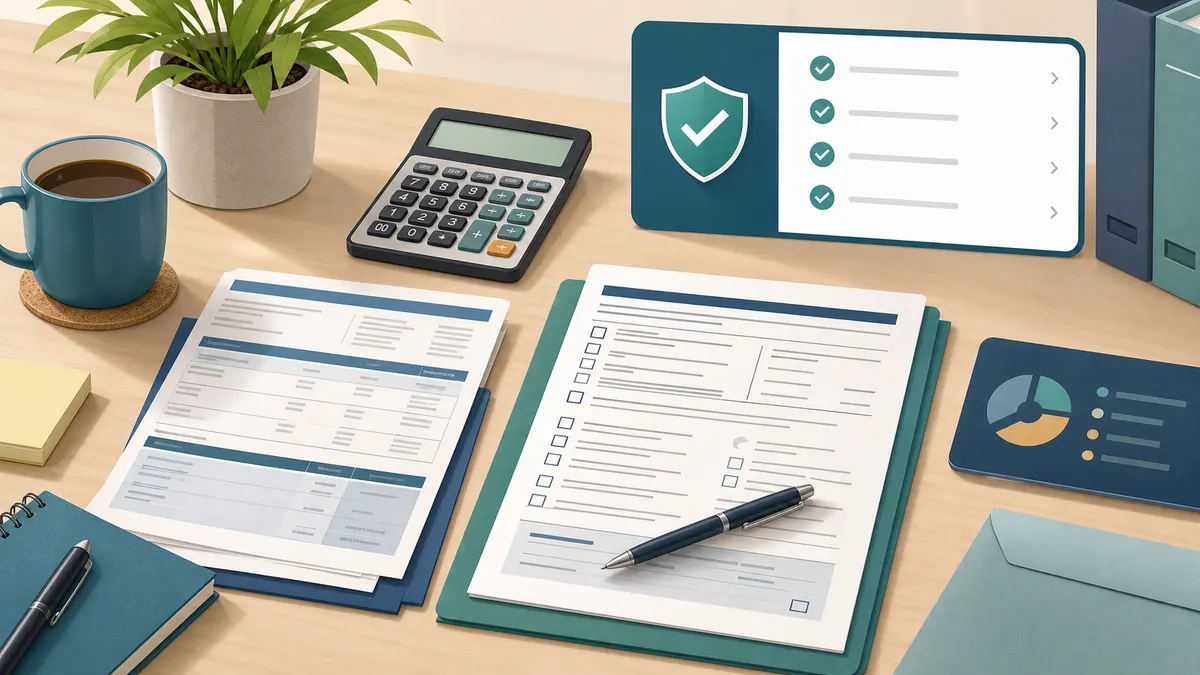
Federal Form W-4 controls how much federal income tax the employer withholds for the IRS. State withholding forms such as CT-W4, NJ-W4, IL-W-4, California DE 4, VA-4, IT-2104, MW507, G-4, and NC-4 are state-specific, they use the state's own filing statuses, allowances or dependents, and exemption rules. A federal W-4 alone is rarely enough in states that collect income tax; you usually need a separate state withholding form on top of it.
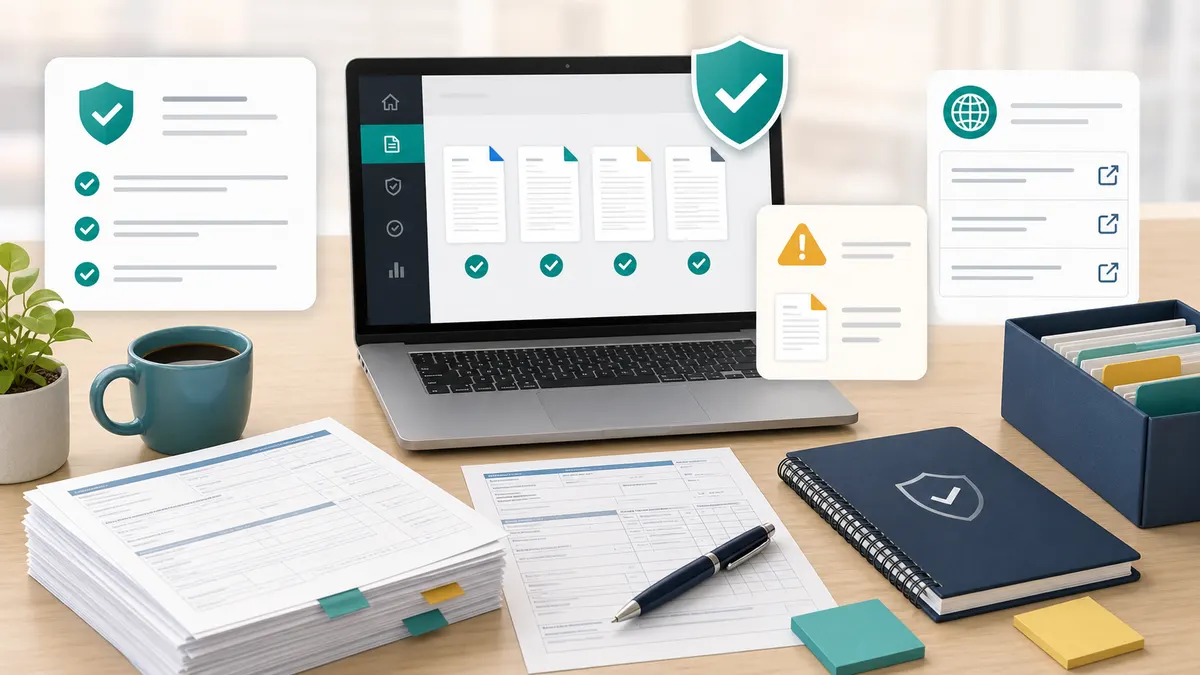
Start with work state, then check residence state and your employer's instructions.
Where the employee physically performs the work is usually the first thing that drives state withholding. If the employee works in Connecticut, the employer probably needs CT-W4 on top of the federal W-4. Pick the work state in the finder above to surface the likely state withholding form.
When the employee lives in one state and works in another, residence state matters too. Some neighboring states have reciprocity agreements (where the employee only pays income tax in the residence state). Others tax based on work location and let residents claim a credit. Local taxes and exemption claims can add another layer.
After the finder points you at the likely state withholding form, open the official state agency page (the state's Department of Revenue, Department of Taxation, or equivalent) and confirm the current version and instructions before sending anything to payroll.
Exemption claims on state withholding forms are often stricter than the federal exempt rules. Read the state instructions before claiming exempt at the state level.
Start with these common employee state withholding forms, each is the official state version of an employee withholding certificate.
Connecticut Employee's Withholding Certificate (CT-W4), required for employees who work in Connecticut and have Connecticut state income tax withheld.
New Jersey Employee's Withholding Allowance Certificate (NJ-W4), used to tell employers how much New Jersey state income tax to withhold.
Illinois Employee's and Other Payee's Withholding Allowance Certificate (IL-W-4), used for Illinois state income tax withholding.
California Employee's Withholding Allowance Certificate (DE 4), required in California when state withholding should differ from the federal W-4.
Virginia VA-4 and New York IT-2104 employee state withholding certificates, used for Virginia and New York state income tax withholding.
Maryland MW507, Georgia G-4, and North Carolina NC-4 employee state withholding certificates, used for state income tax withholding in their respective states.
Answers before you submit a state employee withholding certificate.
No. Federal Form W-4 controls federal income tax withholding. State withholding forms (such as CT-W4, NJ-W4, IL-W-4, California DE 4, VA-4, IT-2104, MW507, G-4, and NC-4) are state-specific certificates that control state income tax withholding.
No. States without a broad personal income tax, Alaska, Florida, Nevada, South Dakota, Tennessee, Texas, Washington, and Wyoming, plus New Hampshire (limited), generally do not require a separate state withholding form. Always verify with the official state agency for the work state.
Start with the work state, because that is usually what drives state withholding. Then check the residence state for reciprocity agreements or local taxes, when the two states are different, both may matter, and a few states allow a reciprocity certificate to avoid withholding in the work state.
Employees generally submit completed state withholding forms to their employer or payroll department. The employer applies them to payroll. The forms do not go to the state agency or to Payroll Form Hub.
Pick the work state, open the official state source, and confirm whether the federal W-4 alone is enough or whether a state withholding form is needed.
State withholding rules change. Always verify official state instructions.